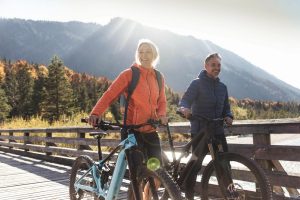
Embark on a journey of exploration and adventure with cycling tours designed specifically for beginners. This guide delves into the essential aspects of planning and executing a successful cycling tour, regardless of your experience level. We’ll cover everything from choosing the right tour and essential equipment to safety considerations and handling unexpected situations, ensuring your first cycling adventure is both enjoyable and memorable.
Whether you’re drawn to scenic road cycling, the thrill of mountain biking, or the versatility of hybrid tours, we’ll help you navigate the options and find the perfect fit for your fitness level and preferences. We’ll also explore the unique benefits of cycling tours compared to other travel styles, highlighting the active exploration and immersive experiences they offer.
Beginner-Friendly Cycling Tour Aspects
Embarking on a cycling tour can be an incredibly rewarding experience, offering a unique blend of physical activity and exploration. For beginners, however, careful planning and consideration of several key aspects are crucial for a safe and enjoyable trip. This section will Artikel the essential elements to ensure a positive first cycling tour experience.
Essential Elements of Beginner-Friendly Cycling Tours
A beginner-friendly cycling tour prioritizes shorter distances, gentler inclines, and well-maintained paths. Tours should incorporate regular rest stops to avoid overexertion and allow for hydration and snacks. The pace should be relaxed and adaptable to the group’s slowest member, fostering a sense of camaraderie and shared accomplishment. Clear route maps and readily available support, whether through a guide or comprehensive instructions, are also vital for a stress-free experience.
Finally, incorporating interesting sights and activities along the route helps maintain engagement and creates lasting memories.
Types of Beginner Cycling Tours
Beginner cyclists can choose from various tour types, each offering a unique experience. Road cycling tours typically involve paved roads and relatively flat terrain, ideal for building endurance and enjoying scenic landscapes. Mountain biking tours, conversely, traverse off-road trails, demanding more technical skill and fitness. Hybrid tours often blend elements of both, utilizing a combination of paved and unpaved paths, providing a good balance of challenge and accessibility.
The choice depends on individual preferences and fitness levels. For instance, a scenic coastal road tour might be perfect for someone new to cycling, whereas a gentle mountain bike trail tour might suit someone with some prior experience.
Necessary Equipment for Beginner Cycling Tours
Prior to embarking on a cycling tour, ensuring you have the right equipment is paramount for comfort and safety. This includes a well-maintained bicycle appropriate for the chosen terrain (road, mountain, or hybrid), a properly fitted helmet, comfortable cycling clothing (moisture-wicking fabrics are recommended), gloves to reduce hand fatigue, a repair kit (including a pump, spare inner tube, and tire levers), and a water bottle or hydration pack.
Additional items such as sunscreen, sunglasses, a map, and a basic first-aid kit are also advisable. A comfortable saddle is especially important for longer rides to avoid discomfort.
Sample Three-Day Beginner Cycling Tour Itinerary
This itinerary focuses on a road cycling tour, emphasizing shorter distances and scenic stops. Adjust distances and locations based on your chosen area and fitness level.
| Day | Distance | Route Description | Potential Stops |
|---|---|---|---|
| Day 1 | 20 km | Flat, scenic route along a river | Local cafe for lunch, small town park for a break |
| Day 2 | 25 km | Gentle rolling hills, picturesque countryside | Vineyard for wine tasting, historical landmark |
| Day 3 | 15 km | Mostly flat, return to starting point | Picnic lunch by a lake, local market |
Guided vs. Self-Guided Cycling Tours for Beginners
Choosing between a guided or self-guided tour significantly impacts the experience.
| Feature | Guided Tour | Self-Guided Tour |
|---|---|---|
| Planning & Navigation | Route planned and guided by professionals; stress-free navigation. | Requires independent route planning and navigation; potential for getting lost. |
| Support | Support vehicle and guide available for assistance and repairs. | Self-reliance required for repairs and emergencies. |
| Cost | Generally more expensive. | Typically more budget-friendly. |
| Flexibility | Less flexibility in terms of pace and stops. | Greater flexibility to adjust the itinerary as needed. |
Safety and Preparation for Beginners
Embarking on your first cycling tour is an exciting adventure, but prioritizing safety and preparation is crucial for a positive and enjoyable experience. This section will cover essential safety guidelines, physical preparation, potential health concerns, strategies for handling unexpected events, and efficient packing techniques. Remember, a well-prepared cyclist is a safe cyclist.
Road Awareness and Basic Bike Maintenance
Safe cycling begins with understanding your surroundings. Always be aware of traffic, pedestrians, and other cyclists. Ride predictably, signaling your intentions clearly, and obey all traffic laws. Regularly check your bike’s condition – brakes, tires, gears – before and during your ride. Learning basic maintenance like fixing a flat tire is invaluable.
A quick visual inspection before each ride can prevent small problems from becoming major setbacks. Familiarize yourself with hand signals for turning and stopping to communicate effectively with other road users. Consider investing in a helmet with a properly adjusted fit and bright clothing to increase your visibility.
Physical Fitness and Preparation
Cycling tours can be physically demanding, so adequate preparation is vital. Beginners should gradually increase their cycling distance and intensity in the weeks leading up to the tour. This builds endurance and strengthens necessary muscle groups. Regular cardiovascular exercise and strength training will improve your overall fitness and reduce the risk of injury. A good fitness level reduces fatigue and increases your ability to enjoy the journey.
Consider a gradual increase in cycling distance and intensity over several weeks before embarking on the tour, starting with shorter rides and progressively longer ones. For instance, a beginner might start with 10-mile rides and gradually work up to 30-mile rides over several weeks.
Potential Health Concerns and Mitigation Strategies
Several health concerns can arise during cycling tours. Dehydration is a significant risk, easily mitigated by carrying and regularly consuming water. Sun exposure can lead to sunburn; sunscreen and protective clothing are essential. Muscle cramps can be prevented by proper hydration and electrolyte intake. Chafing can be avoided by wearing appropriate clothing and using anti-chafing creams.
For those with pre-existing health conditions like asthma or heart problems, consulting a physician before the tour is highly recommended and appropriate medication should be readily available. Carrying a basic first-aid kit can address minor injuries.
Handling Unexpected Situations
Unexpected situations are inevitable. Knowing how to handle a flat tire is a crucial skill. Carrying a spare tube, tire levers, and a pump is essential. Learning how to change a flat tire before your trip is strongly recommended. Minor injuries, such as scrapes or bruises, can be treated with a first-aid kit.
More serious injuries may require calling for emergency medical assistance. Having a plan for communication, including sharing your route with someone and carrying a charged mobile phone, is vital. In case of severe weather, having a plan B, such as an alternate shelter, is recommended.
Packing a Cycling Tour Bag Efficiently
Efficient packing is key to a comfortable tour. Start by creating a packing list based on the tour’s duration and weather conditions. Use lightweight, waterproof bags or panniers. Prioritize essential items like clothing, repair tools, a first-aid kit, and navigation aids. Roll your clothing instead of folding it to save space and prevent wrinkles.
Organize your bag to easily access frequently needed items. Consider using compression sacks to minimize the overall volume of your belongings. A sample packing list might include: cycling clothing (jerseys, shorts, base layers), rain gear, toiletries, repair kit, first-aid kit, maps/GPS device, snacks, water bottles, and a headlamp.
Choosing the Right Cycling Tour
Selecting the perfect cycling tour for your first experience is crucial for ensuring a fun and memorable trip. Careful consideration of your fitness level, desired experience, and tour operator will greatly influence your enjoyment and overall satisfaction. This section will guide you through the key factors to consider when making your choice.
Factors Influencing Tour Selection Based on Fitness and Experience
Beginners should prioritize tours advertised as “beginner-friendly” or “easy.” These typically feature shorter daily distances, gentler inclines, and more frequent rest stops. Consider your current cycling fitness. Can you comfortably cycle for an hour without stopping? If not, a tour with shorter daily rides and plenty of flat terrain is recommended. If you’re reasonably fit but lack experience with long-distance cycling, a tour with progressively increasing distances might be a good option to gradually build your endurance.
Reading detailed itineraries, including elevation profiles, is essential for assessing the tour’s difficulty. Tours offering e-bikes can be a great option for those concerned about their fitness level, providing assistance on challenging sections.
Tour Operators Specializing in Beginner-Friendly Tours
Many tour operators cater specifically to beginners. Researching operators with a proven track record of providing supportive and well-organized beginner tours is essential. Look for companies that emphasize small group sizes, experienced guides, and well-maintained equipment. Some operators specialize in specific regions or types of cycling, such as gravel cycling or mountain biking. For beginners, road cycling tours focusing on scenic routes and flat terrains are generally preferred.
Examples of such tour operators (though specific names are omitted to avoid endorsements) are often found through online travel agencies specializing in active vacations.
Advantages and Disadvantages of Various Tour Locations for Beginners
Flatter regions like parts of the Netherlands, certain areas of France, or some coastal routes in California offer beginner-friendly terrain with minimal elevation changes. These locations often boast well-maintained cycling paths and scenic views, making them ideal for first-time cyclists. However, they might lack the challenge some cyclists seek. Conversely, hilly regions can offer a more challenging but rewarding experience, but beginners should carefully consider their fitness levels before selecting such locations.
The advantages of flat routes include less physical strain and greater opportunity to enjoy the scenery, while the disadvantages include potentially less exciting terrain. Hilly regions, while offering a more significant physical challenge, can provide stunning views and a greater sense of accomplishment.
Resources for Finding and Booking Beginner-Friendly Cycling Tours
Several online platforms specialize in cycling tours. Websites like those of travel agencies focusing on active holidays and specialized cycling tour operators’ websites are excellent starting points. Reading online travel blogs and forums can provide valuable insights and recommendations from other cyclists. Social media groups dedicated to cycling tourism can also be helpful sources of information and reviews.
Consider using comparison websites to compare prices and tour offerings from different operators.
Evaluating Customer Reviews and Testimonials
Before booking, carefully examine customer reviews on various platforms. Pay attention to comments regarding the tour operator’s responsiveness, the guides’ expertise and helpfulness, the quality of the equipment, and the overall experience. Look for patterns in positive and negative feedback. Positive reviews consistently praising aspects such as clear communication, well-maintained equipment, and supportive guides are a good sign.
Negative reviews often highlight issues like poor communication, mechanical problems, or inadequate support. A balanced review section with both positive and negative comments, and a clear response from the operator to the negative feedback, is a sign of a responsible and responsive company.
Cycling Tours Compared to Other Travel Styles
Cycling tours offer a unique travel experience, differing significantly from other vacation styles in terms of pace, activity level, cost, and environmental impact. This comparison highlights the distinctive advantages and disadvantages of choosing a cycling tour over other popular travel options.
Cycling Tours Compared to Spiritual Journeys
Spiritual journeys often prioritize introspection and connection with oneself and a higher power, frequently involving solitude and contemplation in serene natural settings. Cycling tours, while often incorporating beautiful landscapes, are inherently more active and social. The physical exertion and shared experience with fellow cyclists can foster a sense of accomplishment and camaraderie, but may not offer the same level of quiet reflection found in a dedicated spiritual retreat.
The focus is shifted from internal exploration to external discovery, though both can be deeply enriching experiences.
Cycling Tours Compared to Remote Destination Travel
Remote destination travel typically involves accessing locations with limited infrastructure, often requiring specialized transportation and potentially posing challenges for accessibility. Cycling tours can access some remote areas, but the level of remoteness is limited by the cyclist’s endurance and the availability of safe cycling routes. Environmental impact is a key difference; remote travel often involves air travel with a significant carbon footprint, while cycling tours offer a much lower-impact alternative, albeit with a potentially larger land-use impact depending on the route and infrastructure.
Cycling Tours Compared to Theme Park Vacations
Theme park vacations emphasize high-energy entertainment, structured activities, and a fast-paced environment. Cycling tours offer a slower pace, allowing for greater appreciation of the surroundings. The activity level is continuous but self-regulated, contrasting with the bursts of activity interspersed with waiting times typical of theme parks. While both provide memorable experiences, they cater to different preferences regarding activity intensity and style of entertainment.
Cycling Tours Compared to Private Jet Travel
Private jet travel offers unparalleled convenience, speed, and luxury at a significantly higher cost. Cycling tours are considerably more affordable and accessible to a wider range of individuals. The environmental impact is dramatically different, with private jet travel contributing substantially to carbon emissions, whereas cycling tours are a carbon-neutral or even carbon-negative form of transportation, depending on the tour operator’s practices.
Cycling Tours Compared to Luxury Train Journeys
Luxury train journeys provide a luxurious and relaxing travel experience, often featuring gourmet meals and comfortable accommodations. Cycling tours offer a more active and immersive experience, with a focus on physical exertion and personal engagement with the environment. The target audiences differ, with luxury train travel appealing to those seeking comfort and relaxation, while cycling tours attract those who enjoy physical activity and a closer connection with nature.
Cycling Tours Compared to Agricultural Tourism
Agricultural tourism focuses on experiencing rural life and agricultural practices, often involving interaction with farmers and participation in farm activities. Cycling tours can incorporate elements of agricultural tourism by passing through rural areas and potentially visiting farms or wineries along the route. However, the primary focus of a cycling tour remains the cycling itself, while agricultural tourism centers on the agricultural experience.
Both offer opportunities for interaction with local communities and the natural environment, but with differing levels of immersion.
Cycling Tours Compared to Wine and Vineyard Tours
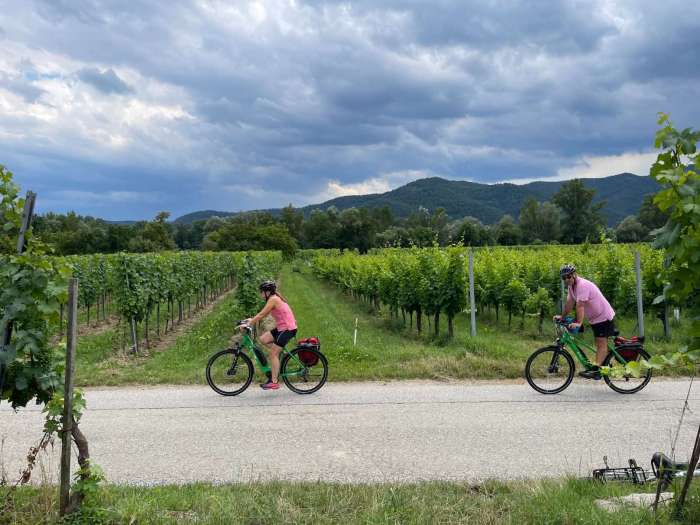
Wine and vineyard tours combine wine tasting with visits to vineyards and wineries, providing a cultural and sensory experience. Cycling tours can easily incorporate wine and vineyard visits, offering a more active way to explore wine regions. The combination of physical activity and cultural immersion creates a unique experience that differs from solely focusing on wine tasting or cycling alone.
The physical exertion of cycling can enhance the appreciation of the wine and food enjoyed afterwards.
Cycling Tours Compared to Heritage Tourism
Heritage tourism centers on exploring historical sites and cultural landmarks. Cycling tours can be designed to incorporate visits to historical sites and cultural landmarks, offering a more active and independent way to explore these destinations compared to guided bus tours. The pace is slower and more flexible, allowing for a deeper engagement with the sites and surrounding areas.
Cycling Tours Compared to City Breaks
City breaks often involve a fast-paced exploration of urban areas, with a focus on sightseeing and cultural attractions. Cycling tours within cities offer a different perspective, allowing for a more leisurely and active exploration, albeit potentially limited by the availability of safe cycling routes and traffic conditions. The pace is generally slower than a typical city break, and the level of physical activity is significantly higher.
Visual Representation of a Beginner Cycling Tour
An ideal beginner cycling tour should offer a visually appealing and engaging experience, fostering a sense of accomplishment and enjoyment. The route should be carefully chosen to balance challenge with scenic beauty, ensuring a positive first impression of cycling tourism. The following details paint a picture of such a journey.
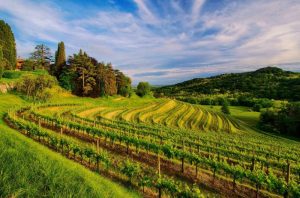
Imagine a route that winds gently through rolling hills, offering breathtaking panoramic views. The landscape is predominantly pastoral, with fields of wildflowers swaying gently in the breeze, interspersed with verdant meadows and neatly arranged vineyards. The route avoids steep inclines and challenging terrains, focusing instead on smooth, well-maintained paths and quiet country lanes. Perhaps a picturesque village or two might be included, adding charming architectural details and opportunities for short breaks.
A sparkling river or a calm lake could also be incorporated, adding to the overall visual appeal and offering opportunities for scenic photo stops. Notable landmarks could include historic windmills, ancient stone bridges, or even a majestic castle perched atop a distant hill, providing points of interest and conversation starters along the way.
Scenery and Environment
The visual appeal of the tour is paramount. Picture a route that begins in a sun-dappled forest, the dappled sunlight filtering through the leaves, creating an enchanting atmosphere. The path then opens into sun-kissed meadows, dotted with wildflowers in vibrant hues of red, yellow, and purple. The air is filled with the scent of freshly cut grass and blooming flowers.
As the route progresses, the landscape transitions to rolling hills, offering sweeping views of the countryside. Perhaps a quaint village appears in the distance, its charming houses and colorful flower boxes adding to the idyllic setting. The route continues, possibly along a riverbank, with the gentle sounds of water flowing and birds chirping serenely. Finally, the route concludes with a stunning vista, perhaps a panoramic view of a mountain range or a sprawling valley.
Sounds and Smells
The sensory experience is crucial in creating a memorable cycling tour. The soundscape is as important as the visual aspects. Imagine the rhythmic whirring of bicycle tires on the smooth pavement, punctuated by the chirping of crickets and the buzzing of bees in the nearby wildflowers. The gentle breeze rustling through the leaves of the trees adds a soothing melody.
The scent of freshly cut grass and wildflowers mingles with the earthy aroma of the soil, creating a refreshing and invigorating olfactory experience. Perhaps the faint scent of woodsmoke from a nearby village adds a touch of rustic charm. The occasional distant sound of church bells or the bleating of sheep in a nearby pasture further enriches the auditory experience.
Feelings and Emotions
Successfully completing a beginner cycling tour evokes a range of positive emotions. A sense of accomplishment is paramount; the feeling of having achieved a physical goal is immensely rewarding. There’s also a feeling of freedom and exhilaration as one pedals through scenic landscapes, enjoying the fresh air and sunshine. The experience fosters a sense of connection with nature, appreciating the beauty of the surroundings.
Furthermore, the journey encourages a sense of self-discovery and resilience, overcoming any initial doubts or anxieties about cycling. The overall feeling is one of joy, pride, and a desire to explore further.
Wrap-Up
Cycling tours offer a unique blend of physical activity, exploration, and cultural immersion. By carefully considering the factors Artikeld in this guide – from choosing the right tour and preparing adequately to staying safe and enjoying the journey – beginners can confidently embark on an unforgettable adventure. Remember, the most important aspect is to choose a tour that matches your fitness level and enjoy the process of discovering new places at your own pace.
Helpful Answers
What’s the best time of year for a beginner cycling tour?
The ideal time depends on your chosen location. Generally, spring and fall offer pleasant temperatures and fewer crowds.
How much does a beginner cycling tour cost?
Costs vary greatly depending on the duration, location, and type of tour (guided vs. self-guided). Expect to pay anywhere from a few hundred to several thousand dollars.
Do I need to be very fit to go on a beginner cycling tour?
No, beginner tours are designed for people with varying fitness levels. Choose a tour with shorter distances and flatter terrain if you’re less fit.
What if I have a mechanical issue with my bike during the tour?
Guided tours typically have support vehicles and mechanics. For self-guided tours, carrying basic repair tools and knowing how to fix a flat tire is essential.