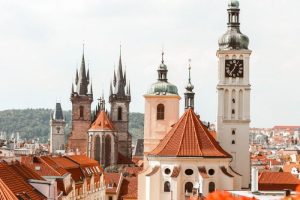
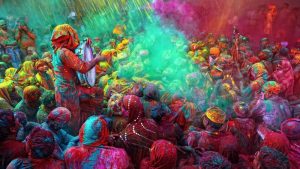
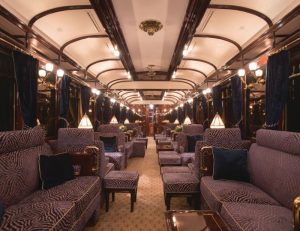
Cultural city breaks offer a unique blend of exploration and immersion, transcending the typical tourist experience. They invite travelers to delve into the heart of a city, uncovering its history, art, cuisine, and traditions. Unlike theme park vacations focused on manufactured entertainment, or spiritual journeys centered on introspection, cultural city breaks actively engage the senses, fostering a deeper understanding and appreciation of a destination’s unique character.
This exploration delves into the planning, experiences, and economic impact of these enriching getaways.
From iconic landmarks to hidden gems, these trips provide opportunities for personal growth and cultural exchange. We will examine popular and lesser-known destinations, diverse experiences, and the sustainable practices that ensure the preservation of these invaluable cultural assets for generations to come. The economic impact on host cities and the evolving landscape of cultural tourism will also be explored, providing a comprehensive overview of this increasingly popular travel style.
Defining “Cultural City Breaks”
Cultural city breaks are short trips, typically lasting a few days to a week, focused on immersing oneself in the culture and history of a specific city. Unlike other forms of travel, the primary aim is not relaxation or adventure in the traditional sense, but rather a deep engagement with the city’s artistic, historical, and social fabric. This engagement often involves active participation, such as visiting museums, attending performances, exploring historical sites, and interacting with local communities.A cultural city break is distinguished by its intentional focus on cultural experiences.
Key elements include visits to museums, art galleries, historical landmarks, and cultural institutions. Participation in local traditions, such as attending festivals or trying regional cuisine, is also a significant component. The experience is often enhanced by exploring local neighborhoods, interacting with residents, and gaining an understanding of the city’s unique identity and character. This contrasts with other vacation types, as described below.
Comparison with Other Vacation Types
Cultural city breaks differ significantly from other forms of tourism. Theme park vacations, for instance, prioritize entertainment and thrill rides, offering a manufactured experience designed for immediate gratification. Spiritual journeys, on the other hand, focus on personal reflection and connection with a higher power, often involving pilgrimage or retreat-like settings. While elements of relaxation or spiritual reflection might be present in a cultural city break, they are secondary to the primary goal of cultural immersion and engagement.
A cultural city break emphasizes learning and exploration, whereas theme park vacations prioritize entertainment and spiritual journeys focus on personal growth and reflection.
Hypothetical Itinerary: A Cultural City Break in Florence, Italy
This itinerary exemplifies a typical cultural city break. It focuses on experiencing the rich artistic and historical heritage of Florence, Italy, over a four-day period.Day 1: Arrival and exploration of the Duomo complex, including climbing Brunelleschi’s Dome for panoramic views of the city. Evening: Enjoying a traditional Florentine dinner in the Oltrarno neighborhood.Day 2: Visiting the Uffizi Gallery, focusing on masterpieces of the Renaissance period, such as works by Botticelli and Leonardo da Vinci.
Afternoon: Exploring the Ponte Vecchio, admiring the shops built along the bridge, and strolling along the Arno River.Day 3: Visiting the Accademia Gallery to see Michelangelo’s David and exploring the collections of paintings by Florentine artists. Afternoon: A guided walking tour of the city center, learning about the history and architecture of Florence. Evening: Attending an opera performance at the Teatro del Maggio Musicale Fiorentino (depending on the season).Day 4: Visiting the Palazzo Pitti, exploring the Boboli Gardens, and enjoying the breathtaking views of the city from the gardens.
Afternoon: Participating in a cooking class to learn about and prepare authentic Florentine cuisine. Departure.
Popular Destinations for Cultural City Breaks
Choosing a city for a cultural escape can be overwhelming, given the sheer number of options available across the globe. This section focuses on popular and lesser-known European cities, providing a comparative overview to aid in your decision-making process. We’ll examine key attractions, unique cultural experiences, and average cost considerations to help you plan your perfect cultural getaway.
Popular European Cultural City Break Destinations
The following table compares five popular European cities renowned for their rich cultural heritage. The cost estimations are approximate and can vary based on the season and your spending habits. Remember to factor in flights and accommodation costs in addition to the daily budget.
| City | Top Attraction | Unique Cultural Experience | Average Daily Cost (excluding flights & accommodation) |
|---|---|---|---|
| Rome, Italy | Colosseum & Roman Forum | Participating in a traditional Roman cooking class, visiting a local trattoria for authentic cuisine. | €80-€150 |
| Paris, France | Louvre Museum | Attending a performance at the Opera Garnier, strolling along the Seine River at sunset. | €70-€120 |
| Barcelona, Spain | Sagrada Familia | Exploring the vibrant street art scene in El Born, enjoying tapas and flamenco dancing in the Gothic Quarter. | €60-€100 |
| London, England | British Museum | Visiting a traditional pub, attending a performance in the West End theatre district. | £70-£120 |
| Prague, Czech Republic | Prague Castle | Taking a classical music concert, enjoying a traditional Czech beer at a local pub. | €50-€90 |
Lesser-Known Cultural City Break Destinations
While the cities above are well-trodden paths, many other European cities offer equally enriching cultural experiences, often with fewer crowds and lower costs. Consider these alternatives for a more unique and off-the-beaten-path experience:
Examples include: Ljubljana, Slovenia, known for its charming architecture and vibrant green spaces; Seville, Spain, with its Moorish heritage and passionate flamenco culture; Porto, Portugal, with its historic Ribeira district and port wine cellars; Budapest, Hungary, offering stunning architecture and thermal baths; and Krakow, Poland, rich in history and culture, particularly its medieval Old Town.
Factors Influencing the Choice of a Cultural City Break Destination
Several factors play a crucial role in determining the ideal cultural city break destination. These range from personal preferences to practical considerations. Careful consideration of these factors ensures a trip that aligns perfectly with your expectations and budget.
Key factors include: budget constraints; personal interests (e.g., art, history, architecture, food); travel time and accessibility; the time of year (considering weather and potential crowds); and the type of cultural experiences sought (e.g., museums, historical sites, local festivals).
Cultural Significance of Specific Landmarks
Understanding the cultural significance of landmarks enhances the overall travel experience. Here, we explore the cultural weight of specific sites in three different cities:
Rome’s Colosseum: This iconic amphitheatre, built in the 1st century AD, stands as a testament to the power and grandeur of the Roman Empire. It hosted gladiatorial contests, public spectacles, and even mock sea battles. Its enduring presence speaks to the lasting legacy of Roman civilization and its influence on Western culture.
Paris’s Louvre Museum: Home to masterpieces like the Mona Lisa and Venus de Milo, the Louvre Museum represents centuries of artistic achievement and cultural exchange. It reflects France’s rich history and its role as a global center for art and culture. The museum itself is a historical landmark, originally a royal palace.
Prague Castle: This sprawling complex, a UNESCO World Heritage site, has served as the seat of power for Czech rulers for over a millennium. Its architecture, spanning various historical styles, reflects the country’s complex and fascinating history. The castle is a symbol of Czech national identity and a testament to the enduring spirit of the Czech people.
Experiences Within Cultural City Breaks
Cultural city breaks offer a rich tapestry of experiences designed to immerse travelers in the heart of a destination’s unique identity. Beyond simply sightseeing, these breaks provide opportunities for genuine engagement with local culture, history, and traditions, creating memories far more profound than a typical tourist trip. The depth and breadth of these experiences are what truly define a successful cultural city break.A diverse range of cultural activities contribute to the overall experience.
These activities can be broadly categorized, allowing travelers to tailor their trip to their specific interests and preferences.
Types of Cultural Experiences
Cultural city breaks provide access to a wealth of experiences. Museums offer curated collections showcasing a city’s artistic heritage, historical artifacts, and scientific advancements. Historical sites, from ancient ruins to grand palaces, offer a tangible connection to the past, allowing visitors to walk in the footsteps of those who came before. Local festivals, vibrant celebrations of tradition and community, provide an immersive experience, often involving music, dance, food, and local crafts.
Furthermore, exploring local markets, attending theatrical performances, or participating in workshops offer unique opportunities for cultural immersion.
Activities Enhancing Cultural Immersion
Engaging in specific activities can significantly enhance the cultural immersion of a city break.
- Taking a guided walking tour focusing on specific historical periods or architectural styles allows for a deeper understanding of the city’s development and evolution.
- Attending a local cooking class provides a hands-on experience with regional cuisine and culinary techniques.
- Visiting local markets, observing the interactions between vendors and customers, and sampling regional products offers a glimpse into daily life.
- Participating in a traditional craft workshop, such as pottery making or weaving, provides a tangible connection to local artistry and techniques.
- Learning a few basic phrases in the local language fosters communication and enhances interaction with locals.
The Role of Local Cuisine
Local cuisine and culinary traditions are integral to the cultural experience of a city break. Food is not simply sustenance; it is a reflection of a region’s history, geography, and social customs. Sampling regional specialties, dining in local restaurants, and exploring local markets offer a sensory journey that deepens the understanding of the culture. For example, trying tapas in Spain, pasta in Italy, or sushi in Japan provides more than just a meal; it offers a window into the culinary heritage and social customs of the region.
The preparation methods, ingredients, and presentation of food all contribute to a richer, more complete cultural experience.
Sample Itinerary: A Cultural City Break in Seville, Spain
This itinerary focuses on diverse cultural experiences within a single city: Seville, Spain.
- Day 1: Morning: Explore the Alcázar of Seville, a stunning royal palace showcasing a blend of Moorish and Christian architecture. Afternoon: Visit the Seville Cathedral, the largest Gothic cathedral in the world, and climb the Giralda, a former minaret offering panoramic city views. Evening: Enjoy a traditional tapas tour, sampling local delicacies and experiencing the vibrant atmosphere of Seville’s tapas bars.
- Day 2: Morning: Visit the Plaza de España, a magnificent square built for the Ibero-American Exposition of
1929. Afternoon
Explore the charming Santa Cruz neighborhood, with its narrow streets, hidden courtyards, and traditional architecture. Evening: Attend a flamenco show, experiencing this passionate and expressive art form.
- Day 3: Morning: Visit the Metropol Parasol, a modern architectural marvel offering stunning views of the city. Afternoon: Take a cooking class and learn to prepare some classic Andalusian dishes. Evening: Enjoy a leisurely stroll along the Guadalquivir River, savoring the beauty of the city at sunset.
Comparing Cultural City Breaks with Other Travel Styles
Cultural city breaks, while offering a rich tapestry of historical sites, artistic expressions, and culinary delights, represent only one facet of the broader travel landscape. Understanding how they differ from other travel styles illuminates their unique appeal and helps travelers choose the experience best suited to their preferences. This section will explore the distinctions between cultural city breaks and several other popular travel choices.
Cultural City Breaks versus Spiritual Journeys
Cultural city breaks and spiritual journeys, while both enriching, pursue fundamentally different goals. Cultural city breaks prioritize the exploration of a destination’s tangible heritage – its architecture, museums, and traditions. The focus is on learning and experiencing a culture different from one’s own. Spiritual journeys, conversely, are driven by a quest for inner peace, self-discovery, or connection with a higher power.
While a spiritual journey might incorporate cultural elements, the core motivation is internal transformation rather than external exploration. For example, a trip to Kyoto might be a cultural city break focusing on temples and gardens, while a pilgrimage to Varanasi would be a spiritual journey centered on religious practices and reflection. The experiences differ greatly; one is outward-focused, accumulating knowledge and experiences, while the other is inward-focused, seeking personal growth and enlightenment.
Cultural City Breaks versus Remote Destination Travel
The key distinction between cultural city breaks and remote destination travel lies in the level of accessibility and infrastructure. Cultural city breaks typically involve established tourist destinations with readily available accommodation, transportation, and amenities. Remote destination travel, on the other hand, emphasizes escaping civilization and immersing oneself in untouched natural environments. This often involves challenging conditions, requiring specialized equipment and a higher degree of self-reliance.
A trip to Florence, Italy, with its plentiful hotels and guided tours, contrasts sharply with a trek through the Amazon rainforest, demanding extensive planning and survival skills. The motivations also differ significantly: one is focused on cultural immersion within a structured environment, the other on adventure and connection with nature in an isolated setting.
Cultural City Breaks versus Theme Park Vacations
Cultural city breaks and theme park vacations differ greatly in their style of engagement. Cultural city breaks encourage passive and active participation in a living culture. Visitors interact with local communities, explore historical sites, and immerse themselves in the atmosphere. Theme park vacations, however, are predominantly passive experiences, consuming pre-packaged entertainment and attractions designed for mass appeal.
While a city break might involve exploring a historic neighborhood and sampling local cuisine, a theme park visit would focus on riding roller coasters and watching shows. The level of engagement and the nature of the experience are fundamentally different; one is about authentic cultural interaction, the other is about manufactured entertainment.
Cultural City Breaks versus Luxury Travel Modes
Private jet travel, luxury train journeys, and agricultural tourism, while potentially incorporating elements of cultural experiences, represent distinct travel styles that differ from the typical cultural city break. Private jet travel prioritizes speed and exclusivity, focusing on reaching destinations quickly and comfortably. Luxury train journeys emphasize the journey itself, offering a curated experience with onboard amenities and scenic views. Agricultural tourism focuses on immersing oneself in rural life and agricultural practices.
A cultural city break, in contrast, typically involves more budget-conscious travel arrangements and a focus on exploring a city’s cultural attractions, not the mode of transportation or the surrounding countryside. While a luxury train journey might pass through culturally significant areas, its core focus is on the opulence of the travel experience itself, unlike a cultural city break where the culture is the central focus.
The Economic Impact of Cultural City Breaks
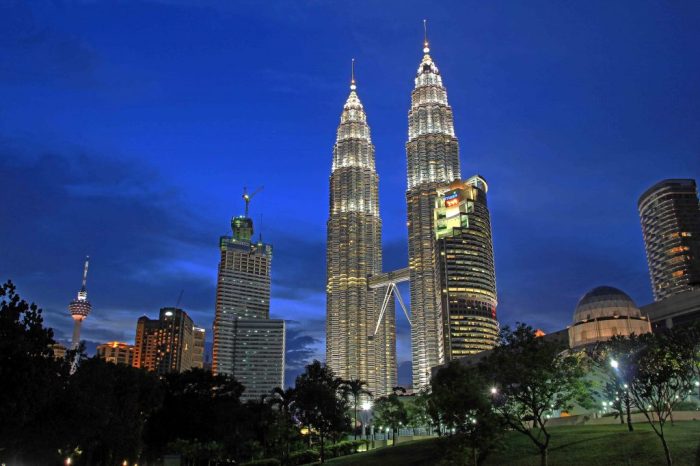
Cultural city breaks represent a significant and growing sector of the tourism industry, generating substantial economic benefits for host cities and contributing to the preservation of cultural heritage. These trips, focused on experiencing a destination’s art, history, and culture, inject capital into local economies in various ways, fostering sustainable development and community engagement.Cultural tourism’s economic contributions extend beyond simple revenue generation.
It creates a ripple effect, stimulating job creation across multiple sectors, from hospitality and transportation to local crafts and artisan businesses. Furthermore, the influx of revenue often supports the very cultural attractions that draw visitors in the first place, ensuring their preservation for future generations.
Job Creation and Revenue Generation
Cultural city breaks fuel job creation across a wide range of sectors. Hotels, restaurants, museums, tour operators, and transportation services all directly benefit from the increased demand. Indirectly, jobs are created in supporting industries such as food production, retail, and even construction projects related to tourism infrastructure improvements. Revenue generated through accommodation, dining, entrance fees, and souvenir purchases directly contributes to the city’s tax base, funding essential public services.
This economic activity helps reduce unemployment rates and improves the overall standard of living within the host community. For example, the city of Florence, Italy, heavily reliant on cultural tourism, boasts a significant employment sector directly tied to its artistic heritage and the tourism industry that supports it.
Contribution to Cultural Preservation
The economic benefits of cultural city breaks are intrinsically linked to the preservation of historical sites and cultural traditions. The revenue generated helps fund the maintenance and restoration of historical buildings, museums, and other cultural attractions. Furthermore, the increased awareness and appreciation generated by tourism can lead to greater investment in preserving traditional crafts, arts, and cultural practices.
This is evident in cities like Kyoto, Japan, where the influx of tourists supports the continuation of traditional geisha culture and the preservation of ancient temples and gardens. Without the economic boost from cultural tourism, many of these cultural treasures might fall into disrepair or be lost entirely.
Successful Cultural City Break Initiatives and Their Impact
Several cities have implemented successful initiatives to maximize the economic benefits of cultural city breaks while minimizing negative impacts. For instance, Seville, Spain, has invested heavily in promoting its rich flamenco culture, creating dedicated flamenco venues and festivals that attract tourists and support local artists. This initiative has not only boosted the city’s economy but also revitalized its cultural identity.
Similarly, cities like Edinburgh, Scotland, leverage their festivals and events to attract tourists throughout the year, extending the economic benefits beyond peak seasons. These examples highlight the importance of strategic planning and investment in promoting cultural heritage to drive economic growth and community development.
Economic Contributions of Tourism to Three Cities
| City | Tourism Revenue (USD Billion) | Job Creation (Estimate) | Percentage of GDP from Tourism |
|---|---|---|---|
| Paris, France | 70 | 1,000,000+ | 10-15% |
| New York City, USA | 50 | 500,000+ | 8-12% |
| Barcelona, Spain | 30 | 500,000+ | 12-18% |
Note: These figures are estimates and can vary depending on the source and year. The data represents a general overview and aims to illustrate the significant economic contribution of tourism to these cities.
Marketing and Promotion of Cultural City Breaks
Marketing cultural city breaks requires a strategic approach that highlights the unique experiences and cultural richness of the destination. A successful campaign must resonate with the target audience, showcasing not just sights but also the immersive cultural experiences available. This involves crafting compelling narratives and utilizing various marketing channels effectively.
A Marketing Campaign for a Cultural City Break in Seville, Spain
This campaign focuses on Seville, Spain, highlighting its vibrant flamenco culture, historical architecture, and delicious gastronomy. The core message emphasizes an authentic and immersive Andalusian experience. The campaign slogan would be: “Seville: Dance into the Heart of Andalusia.” Marketing materials would feature high-quality photography and videography showcasing the energy of a flamenco performance, the intricate details of the Alcázar Palace, and the bustling atmosphere of the city’s markets.
Print advertisements would appear in travel magazines and newspapers targeting affluent travelers interested in cultural experiences. Online advertising would utilize targeted social media campaigns and partnerships with travel bloggers and influencers specializing in cultural tourism. The campaign would also include a dedicated website with interactive maps, virtual tours, and booking options.
Social Media Strategy for Engaging Potential Travelers
A robust social media strategy is crucial for reaching potential travelers. Platforms like Instagram, Facebook, and Pinterest would be used to showcase visually appealing content, such as short videos of flamenco dancers, stunning photos of the city’s architecture at sunset, and behind-the-scenes glimpses of local artisans creating traditional crafts. Interactive content, such as polls asking users about their preferred cultural experiences or quizzes testing their knowledge of Andalusian history, would increase engagement.
Targeted advertising would ensure the campaign reaches the right demographic, focusing on individuals interested in cultural travel, history, and Spanish culture. Influencer marketing, partnering with travel bloggers and social media personalities who align with the campaign’s values, would further amplify the message and build trust. Regular posting of high-quality content, responding to comments and messages promptly, and running contests and giveaways would foster a strong community around the Seville campaign.
Examples of Successful Marketing Campaigns for Cultural Tourism
Many successful campaigns highlight unique cultural aspects of a destination. For example, a campaign promoting Kyoto, Japan, might focus on the serene beauty of its temples and gardens, showcasing the tranquility and spiritual significance of the city. The imagery would feature carefully composed photographs of ancient temples bathed in soft morning light, meticulously crafted gardens, and traditional tea ceremonies.
Similarly, a campaign for a city like Florence, Italy, might emphasize the Renaissance art and architecture, with images of Michelangelo’s David, the Uffizi Gallery, and the Ponte Vecchio, conveying the historical and artistic significance of the city. These campaigns leverage the power of storytelling to create a desire to experience the destination’s unique cultural heritage.
Visual Media in Showcasing the Appeal of Cultural City Breaks
Visual media plays a pivotal role in marketing cultural city breaks. Images should evoke emotion and a sense of place. For instance, a photograph of a bustling marketplace in Marrakech, filled with vibrant colors, exotic spices, and the sounds of bartering, could capture the sensory richness of the experience. A video showcasing a traditional dance performance in Bali, with its intricate movements and evocative music, could communicate the cultural depth of the island.
High-quality images of historical landmarks, like the Taj Mahal at sunrise or the Great Wall of China stretching across the landscape, can convey the grandeur and historical significance of these locations. The use of drone footage to capture sweeping views of a city’s skyline at night, illuminated by countless lights, can create a sense of wonder and excitement.
These visuals aim to transport the viewer to the destination, creating a desire to experience it firsthand.
Sustainable Cultural City Breaks
Cultural city breaks, while enriching and rewarding, can unfortunately contribute significantly to environmental degradation and social inequities if not approached responsibly. Sustainable practices are crucial to ensuring these breaks remain enjoyable for both visitors and local communities, while preserving the cultural heritage for future generations. The integration of sustainability principles into the planning and execution of cultural city breaks is no longer a desirable option, but a necessity.The Minimization of Environmental Impact in Cultural City Breaks involves a multifaceted approach.
Reducing carbon emissions through choosing sustainable transportation options, like trains or buses instead of airplanes for shorter distances, is paramount. Furthermore, responsible waste management, including reducing plastic consumption and properly disposing of waste, plays a vital role. Supporting locally-owned businesses and minimizing the use of single-use plastics directly contributes to a smaller environmental footprint. The responsible consumption of resources such as water and energy within hotels and during activities also reduces the overall impact.
Initiatives Promoting Responsible and Sustainable Cultural Tourism
Many organizations and destinations are actively promoting sustainable cultural tourism. For instance, several European cities have implemented green initiatives, offering incentives for eco-friendly hotels and tour operators. These programs often involve certifications and labels that recognize businesses committed to sustainability. Furthermore, many museums and historical sites are now incorporating sustainable practices into their operations, such as using renewable energy sources and implementing waste reduction programs.
Examples include the use of LED lighting, water conservation systems, and the promotion of cycling or walking tours instead of bus tours. These initiatives not only reduce the environmental impact but also enhance the visitor experience by offering more authentic and engaging interactions with the local culture.
Guidelines for Travelers to Ensure a Sustainable Cultural City Break
Before embarking on a cultural city break, travelers can take several proactive steps to minimize their environmental impact. Choosing accommodations that have demonstrable sustainability credentials, such as certifications from organizations like Green Globe or LEED, is a crucial first step. Prioritizing public transportation, walking, or cycling instead of relying on taxis or rental cars significantly reduces carbon emissions.
Opting for locally sourced food and beverages supports local economies and reduces the carbon footprint associated with food transportation. Finally, being mindful of water and energy consumption during the trip, such as turning off lights and conserving water, further contributes to a more sustainable experience. Respecting local customs and traditions and supporting local artisans and businesses also contributes to the overall sustainability of the trip.
A conscious effort to reduce waste generation through reusable water bottles, shopping bags, and avoiding single-use plastics is also vital.
The Future of Cultural City Breaks
The cultural city break sector is poised for significant evolution, driven by changing traveler preferences and technological advancements. We are moving beyond simply sightseeing towards a more immersive and personalized experience, demanding a responsive and innovative approach from both destinations and service providers. This shift necessitates a proactive adaptation by cities to remain competitive and attractive to the discerning cultural tourist.Experiential Tourism and Personalized Itineraries are Defining the Future
Experiential Tourism and Personalized Itineraries
The future of cultural city breaks hinges on providing truly immersive and personalized experiences. This means moving beyond the traditional checklist of museums and landmarks to offer curated itineraries tailored to individual interests and travel styles. For example, a traveler passionate about street art might receive a bespoke itinerary featuring guided walking tours of specific neighborhoods, workshops with local artists, and visits to independent galleries, rather than a generic list of city highlights.
Similarly, a foodie might enjoy a culinary tour focusing on regional specialties and cooking classes, while a history buff could participate in interactive historical reenactments or explore lesser-known historical sites. This level of personalization requires sophisticated data analysis and flexible booking systems to create unique and memorable experiences.
Technological Impacts on Cultural City Breaks
Technology is rapidly reshaping the cultural city break landscape. Augmented reality (AR) apps, for instance, can overlay digital information onto real-world locations, enriching the visitor’s understanding of historical sites or artistic works. Imagine an AR app that brings a Roman forum to life by overlaying 3D models of ancient buildings and animating scenes from Roman life. AI-powered chatbots can provide personalized recommendations and assist with booking, while virtual reality (VR) experiences can offer previews of attractions or even simulate visits to sites that are physically inaccessible.
Furthermore, the use of data analytics allows for the creation of hyper-personalized itineraries based on individual preferences and travel history, optimizing the visitor experience. The rise of contactless technology further enhances convenience and safety.
Growth Potential in Niche Cultural City Break Experiences
The demand for niche cultural experiences is steadily increasing. This presents a significant growth opportunity for cities willing to cater to specialized interests. For example, cities can capitalize on the growing interest in sustainable tourism by promoting eco-friendly accommodations and activities. Others could focus on specific artistic movements, historical periods, or culinary traditions, creating unique and highly targeted experiences.
A city known for its Art Deco architecture could develop a themed city break package that includes guided tours, lectures, and visits to relevant museums and shops. Similarly, a city with a rich culinary heritage could organize food tours and cooking classes focusing on local specialties, creating a niche experience for food enthusiasts. The key is to identify unique selling propositions and cater to the interests of specific segments of the cultural tourism market.
Adapting to the Changing Demands of Cultural Tourists
Cities need to proactively adapt to meet the evolving needs of cultural tourists. This involves investing in infrastructure improvements, enhancing accessibility for all visitors, and promoting sustainable tourism practices. Improving public transportation, ensuring accessibility for individuals with disabilities, and providing clear and multilingual signage are essential steps. Furthermore, cities must address issues such as overtourism by implementing effective crowd management strategies and promoting lesser-known attractions.
Collaboration between city authorities, tourism businesses, and local communities is crucial for developing sustainable and responsible tourism strategies that benefit both visitors and residents. For example, Amsterdam has implemented measures to reduce the number of tourists in certain areas and promote more sustainable tourism practices. This proactive approach ensures that the city remains attractive to cultural tourists while minimizing the negative impacts of overtourism.
Last Word
Ultimately, cultural city breaks represent more than just a vacation; they are an investment in personal enrichment and a contribution to the preservation of global heritage. By thoughtfully engaging with the local culture, respecting traditions, and supporting sustainable practices, travelers can maximize their experience while ensuring the longevity of these vibrant destinations. As the travel landscape evolves, the demand for authentic and immersive experiences will undoubtedly continue to shape the future of cultural city breaks, prompting innovation and a deeper connection between travelers and the communities they visit.
FAQ Summary
What’s the best time of year to take a cultural city break?
The ideal time depends on the destination’s climate and the specific events you wish to attend. Shoulder seasons (spring and autumn) often offer pleasant weather and fewer crowds.
How much should I budget for a cultural city break?
Budget varies greatly depending on the destination, length of stay, and travel style. Researching accommodation, food, and activity costs beforehand is crucial for accurate budgeting.
How do I choose the right cultural city break for me?
Consider your interests (art, history, food, etc.), budget, travel style, and desired length of stay. Research potential destinations based on these preferences.
Are cultural city breaks suitable for families?
Absolutely! Many cities offer family-friendly museums, activities, and tours. Choose destinations and activities appropriate for your children’s ages and interests.