Private jet travel has become synonymous with celebrity lifestyles, offering unparalleled convenience and privacy. This exploration delves into the world of high-flying luxury, examining the reasons behind its popularity among celebrities, the environmental implications, public perception, and comparisons with alternative luxury travel options. We’ll uncover the substantial costs, logistical complexities, and the ongoing debate surrounding its sustainability.
From transatlantic journeys to weekend getaways, the choices celebrities make regarding their travel significantly impact their public image and the environment. This analysis considers the various factors influencing these decisions, including the balance between convenience, cost, and environmental responsibility, and the ever-evolving landscape of luxury travel trends.
Celebrity Use of Private Jet Travel
Private jet travel has become increasingly associated with the lifestyles of celebrities, offering a level of convenience, privacy, and efficiency unavailable through commercial airlines. This mode of transportation caters to the unique demands and schedules of high-profile individuals, influencing their professional and personal lives significantly.
Reasons for Celebrity Private Jet Use
Celebrities utilize private jets for a variety of reasons, primarily revolving around time efficiency, enhanced privacy, and logistical flexibility. Tight schedules demanding quick travel between filming locations, concerts, or public appearances necessitate the speed and direct routing that private jets offer. Furthermore, the privacy afforded by private aviation allows celebrities to maintain a degree of anonymity and avoid the potential for unwanted attention or security risks inherent in commercial travel.
The ability to customize the flight itinerary, including scheduling flexibility and preferred routes, further enhances the appeal for those with demanding and unpredictable schedules.
Advantages of Private Jet Travel for Celebrities
Compared to commercial flights, private jet travel offers several key advantages for celebrities. The most prominent is the significant time saved. Eliminating airport security lines, baggage claim delays, and connecting flights allows for a far more efficient travel experience. The enhanced privacy ensures a secure and comfortable environment, shielding celebrities from the scrutiny of the public and paparazzi.
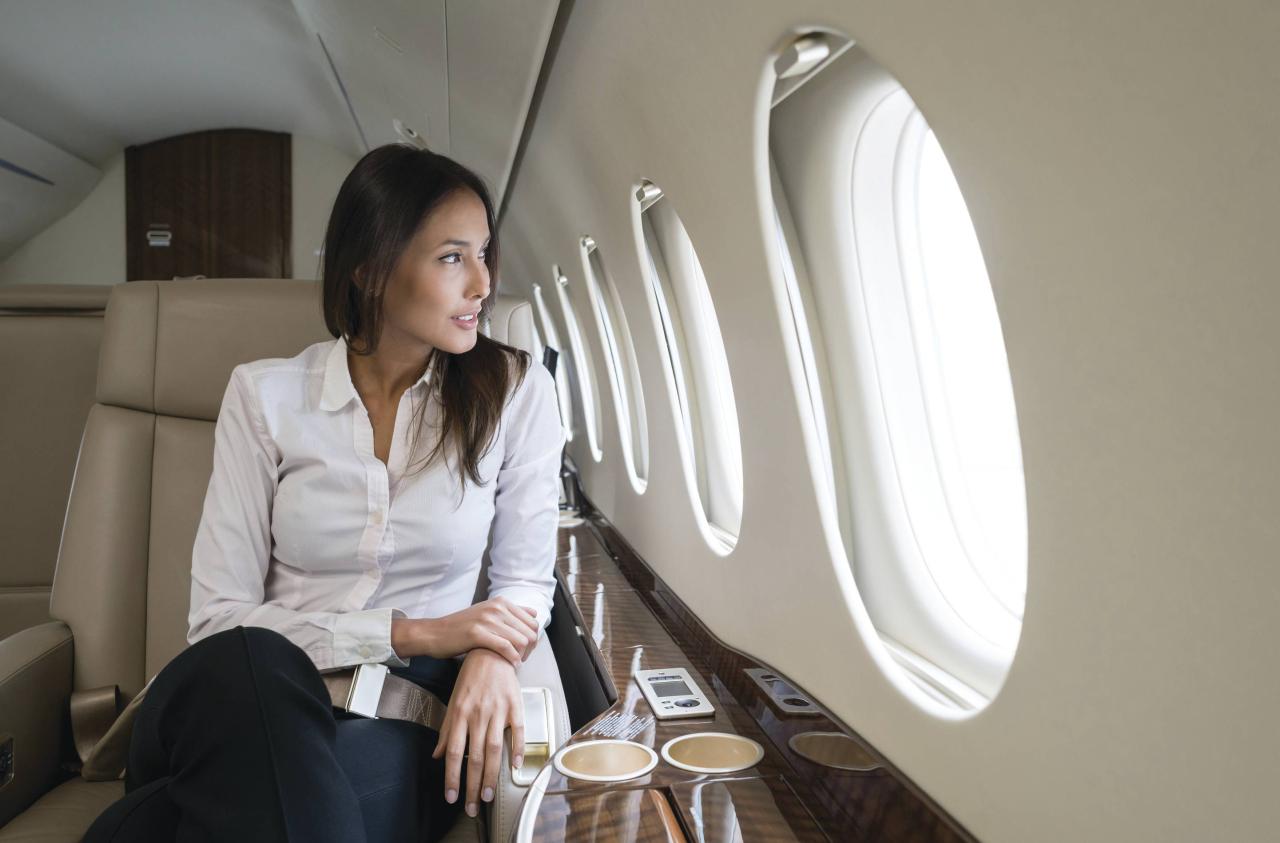
Private jets also offer increased flexibility, allowing for adjustments to the itinerary as needed. Finally, the onboard amenities and personalized service provide a level of comfort and convenience unmatched by commercial airlines. Imagine a scenario where a celebrity needs to travel across the country for a last-minute emergency – a private jet offers the immediacy and control necessary.
Cost Implications of Private Jet Travel for High-Profile Individuals
The cost of private jet travel is substantially higher than commercial flights. However, for high-profile individuals with significant incomes, the cost is often considered a necessary expense to balance the advantages of speed, privacy, and efficiency against the time value of their activities. The expense includes not only the charter fee but also additional costs like catering, ground transportation, and potential crew expenses.
While the exact cost varies based on factors such as aircraft size, flight distance, and additional services, it’s understood that the expenditure can range from thousands to tens of thousands of dollars per flight. For instance, a short hop might cost several thousand dollars, while a transatlantic flight could easily reach six figures. The overall cost-benefit analysis often prioritizes the efficiency and security offered by private aviation.
Logistical Considerations for Celebrity Private Jet Travel
Arranging private jet travel for celebrities involves complex logistical considerations. Security is paramount, requiring meticulous planning and coordination with security personnel to ensure the safety and privacy of the celebrity client. The itinerary must be carefully planned to accommodate the celebrity’s schedule, taking into account not only flight times but also ground transportation, accommodation, and any other related events.
The aircraft selection must also consider factors like passenger capacity, comfort, and any specific requirements of the celebrity. Furthermore, the coordination with various service providers, including ground handlers, catering services, and potentially medical personnel, is crucial for a seamless and secure travel experience. Discreet handling of travel arrangements is a critical aspect, maintaining the celebrity’s privacy and avoiding potential disruptions.
Transatlantic Travel Time and Cost Comparison
The following table illustrates a comparison between private jet and commercial flight travel times and costs for a transatlantic journey. These figures are estimates and can vary based on several factors, including specific routes, aircraft type, and season.
| Destination | Travel Time (Private Jet) | Travel Time (Commercial) | Cost Difference (Estimate) |
|---|---|---|---|
| London to New York | 6-7 hours | 7-9 hours (including layovers) | $50,000 – $100,000+ |
| Paris to Los Angeles | 10-12 hours | 12-15 hours (including layovers) | $75,000 – $150,000+ |
Environmental Impact of Celebrity Private Jet Travel
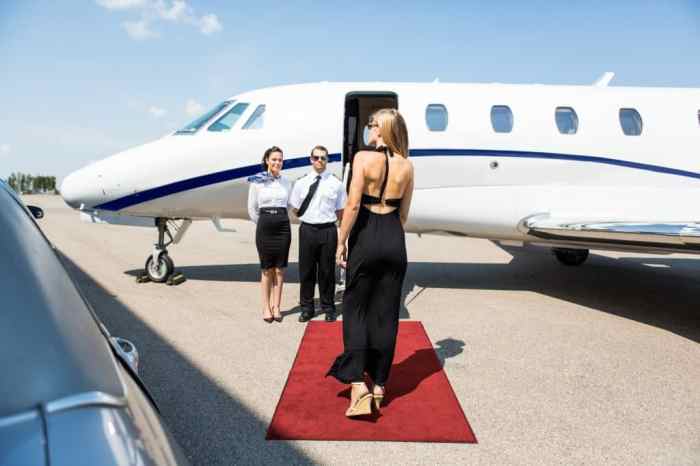
The frequent use of private jets by celebrities raises significant environmental concerns due to the substantial carbon emissions generated by these aircraft. Private jets are far less fuel-efficient than commercial airliners, and their contribution to greenhouse gas emissions is disproportionately high relative to the number of passengers they carry. This disparity creates a considerable environmental burden, particularly given the already substantial impact of the aviation industry on climate change.Private jet travel’s significant contribution to climate change stems from several factors.
These aircraft typically burn large quantities of jet fuel, a process that releases significant amounts of carbon dioxide (CO2), a potent greenhouse gas, into the atmosphere. Furthermore, private jets often fly shorter distances than commercial flights, meaning that the fuel burn per passenger mile is considerably higher. The lack of stringent regulations specifically targeting private aviation further exacerbates the issue.
Compared to other modes of transportation such as trains or even commercial flights, the carbon footprint of private jet travel is substantially larger, contributing significantly to the overall environmental impact of celebrity lifestyles.
Carbon Footprint Comparison
A single private jet flight can generate the equivalent of several tons of CO2, a figure far exceeding the emissions from a comparable commercial flight carrying numerous passengers. For instance, a short private jet flight might produce as much CO2 as a transatlantic commercial flight for a single individual. This vast difference highlights the significant environmental cost associated with private jet travel.
The higher fuel consumption per passenger, coupled with the often shorter flight distances, contributes to this disproportionate impact.
Mitigation Initiatives for Celebrities
Celebrities can actively participate in reducing their environmental impact from air travel. One crucial step is to significantly reduce the frequency of private jet flights. Choosing commercial flights for longer distances whenever possible, particularly when travel companions are available, is a significant reduction strategy. Furthermore, exploring alternative, sustainable transportation methods for shorter distances, such as high-speed rail or electric vehicles, presents a practical alternative.
Investing in carbon offsetting programs, specifically designed to compensate for unavoidable emissions from private jet travel, is another viable approach. Finally, advocating for stricter regulations and sustainable practices within the aviation industry can contribute to systemic change.
Hypothetical Carbon Offsetting Program
A tailored carbon offsetting program for the entertainment industry could involve partnering with reputable organizations specializing in verified carbon reduction projects. This program would involve celebrities calculating their annual carbon emissions from private jet travel using a standardized methodology, such as those developed by leading environmental consultancies. Based on these calculations, celebrities would then contribute financially to verified carbon offset projects, such as reforestation initiatives, renewable energy development, or methane capture projects.
Transparency and accountability would be crucial elements of the program, with regular reporting on the offsetting projects funded and their environmental impact. This program would need robust verification mechanisms to ensure the credibility and effectiveness of the offsetting initiatives.
Sustainable Alternatives for Shorter Distances
For shorter distances, sustainable alternatives to private jet travel are readily available for celebrities. High-speed rail networks offer a viable option for travel between major cities, significantly reducing carbon emissions compared to private jet travel. Electric vehicles are also a suitable alternative for ground transportation to and from airports, eliminating emissions from ground transport. For even shorter distances, where feasible, celebrities could consider using alternative modes of transportation such as private carpooling or even cycling, reducing the overall environmental footprint of their travel.
Public Perception and Media Coverage
The media’s portrayal of celebrity private jet travel is a complex tapestry woven with threads of both admiration and condemnation. While some outlets focus on the glamour and convenience associated with this mode of transport, highlighting the ease with which celebrities can navigate their busy schedules, others emphasize the environmental consequences and perceived disconnect from the everyday concerns of the general public.
This duality shapes public perception and fuels the ongoing debate surrounding the issue.The media’s coverage often oscillates between showcasing the luxurious lifestyle of celebrities and criticizing their perceived extravagance. Images of private jets, often associated with opulence and excess, are frequently juxtaposed with reports highlighting the environmental impact of aviation. This creates a narrative that simultaneously fascinates and frustrates the public, depending on the angle taken by the publication or broadcaster.
Instances of Public Backlash
Public backlash against celebrities using private jets is frequently amplified by social media, transforming individual criticisms into widespread movements. For instance, the use of flight tracking websites allows the public to monitor celebrity travel patterns, leading to intense scrutiny and criticism when frequent short-haul flights are identified. These instances often result in significant negative media attention and public shaming campaigns, highlighting the growing awareness and concern surrounding the environmental impact of air travel.
Celebrities who are perceived as hypocritical – for example, those who publicly advocate for environmental causes while frequently using private jets – face particularly strong criticism. The contrast between their public image and their private actions generates considerable public anger and disappointment.
The Role of Social Media in Shaping Public Opinion
Social media platforms like Twitter and Instagram have become powerful tools in shaping public opinion on celebrity private jet travel. The immediacy and widespread reach of these platforms allow for rapid dissemination of information, both positive and negative. News articles and social media posts highlighting the environmental impact of private jet travel quickly go viral, leading to widespread discussions and debates.
Hashtags such as #PrivateJetShame are used to collectively express disapproval and call out celebrities for their perceived irresponsible behavior. Conversely, celebrities can use social media to defend their actions, offering explanations or justifications for their travel choices, although this is often met with skepticism. The ease with which information spreads on social media means that public opinion can shift rapidly based on new developments or revelations.
Fictional News Article: Pop Star Responds to Backlash
Headline: “Rising Star Luna Moon Addresses Private Jet Controversy: ‘I’m Working on It'”Pop sensation Luna Moon has responded to the recent criticism surrounding her frequent use of private jets. Photos and flight data, obtained from publicly accessible sources, show Moon utilizing private aviation for numerous short-haul trips over the past few months. The ensuing social media storm, with #LunaMoonPrivateJet trending worldwide, has prompted the singer to address the concerns. In a statement released on her official Instagram account, Moon acknowledged the environmental impact of her travel choices and expressed regret for the negative attention.
“I understand the concerns, and I’m working on finding more sustainable ways to travel,” she wrote. “It’s a complex issue, and I’m committed to finding solutions.” However, the statement has been met with mixed reactions, with some praising her acknowledgement while others remain unconvinced. The ongoing debate highlights the growing public scrutiny of celebrity lifestyles and their environmental impact.
Comparison with Other High-Consumption Lifestyle Choices
Public reactions to celebrity private jet use are often compared to reactions towards other high-consumption lifestyle choices. While the environmental impact of private jets is undeniable, the public’s response isn’t always consistent. For example, the outrage surrounding private jet use is sometimes contrasted with the comparatively less intense public criticism directed towards other high-carbon activities, such as luxury car ownership or large, energy-intensive homes.
This inconsistency suggests that the public’s response may be influenced not only by the environmental impact itself, but also by factors such as the perceived accessibility and the perceived moral character of the individuals involved. The conspicuous nature of private jet travel, symbolizing wealth and privilege, may contribute to the stronger public reaction compared to less visible forms of high consumption.
Private Jet Travel vs. Other Luxury Travel Options
Private jet travel, while undeniably luxurious, is just one option within a spectrum of high-end travel experiences. Comparing it to other luxury modes of transport, such as luxury train journeys, cruises, and yacht travel, reveals a nuanced picture of speed, comfort, environmental impact, and overall experience. Each option caters to a specific type of traveler and prioritizes different aspects of the journey.
Speed and Efficiency of Travel Options
Private jets offer unparalleled speed and efficiency, especially for long distances. The ability to fly directly to smaller airports, bypassing major hubs and lengthy security lines, significantly reduces overall travel time. Luxury trains, while comfortable, are inherently slower, particularly over long distances. Cruises and yacht travel are even slower, incorporating multiple stops and extended transit times. The time saved with a private jet is often a key selling point for time-conscious individuals.
Comfort and Amenities Across Different Luxury Travel Modes
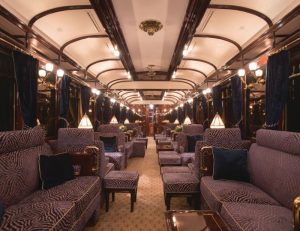
Private jet travel offers unparalleled personalized comfort. Passengers enjoy spacious cabins, bespoke catering, and in-flight entertainment tailored to their preferences. Luxury train journeys provide a sophisticated experience with comfortable seating or private compartments, often including fine dining and scenic views. Cruises offer a range of amenities, from luxurious staterooms to onboard entertainment and dining options. Yacht travel provides ultimate privacy and personalized service, but can be less structured and may require more self-sufficiency.
Environmental Impact Comparison
Private jet travel has a significantly higher carbon footprint per passenger compared to other luxury travel options. The high fuel consumption of private jets contributes to greenhouse gas emissions. Luxury trains, particularly electric ones, have a considerably lower environmental impact. Cruises also have a significant environmental footprint due to their large size and reliance on fossil fuels, although some cruise lines are exploring greener technologies.
Yacht travel’s environmental impact varies greatly depending on the size and type of yacht and its fuel source.
Pros and Cons of Luxury Travel Options for Long-Distance Trips
The choice between these luxury travel options depends heavily on individual priorities. Consider these pros and cons for a long-distance journey:
- Private Jet:
- Pros: Unparalleled speed, ultimate privacy, personalized service, flexibility.
- Cons: High cost, significant environmental impact, limited accessibility to smaller airports in some cases.
- Luxury Train:
- Pros: Scenic views, comfortable seating, often includes meals, relatively lower environmental impact than private jets.
- Cons: Significantly slower than private jets, less privacy, limited route options.
- Luxury Cruise:
- Pros: All-inclusive amenities, diverse onboard activities, multiple destinations.
- Cons: Slow travel times, less privacy, potential for seasickness, significant environmental impact.
Target Market for Each Luxury Travel Option
Private jet travel appeals to high-net-worth individuals, corporations, and celebrities who prioritize speed, privacy, and personalized service above all else. Luxury train travel attracts a more discerning clientele who appreciate scenic routes and a sophisticated travel experience. Cruises cater to a broader market, including families, couples, and groups seeking an all-inclusive vacation with multiple destinations. Yacht travel targets affluent individuals and groups who desire ultimate privacy, personalized service, and a flexible itinerary.
Overall Travel Experience Comparison
The overall experience differs significantly. Private jet travel offers a highly personalized and efficient journey focused on speed and exclusivity. Luxury train travel emphasizes comfort, scenic views, and a more relaxed pace. Cruises provide a diverse range of onboard activities and multiple destinations, creating a more immersive and less focused travel experience. Yacht travel provides ultimate freedom and privacy, allowing for a bespoke itinerary and personalized exploration.
Luxury Travel Trends
The landscape of luxury travel is constantly evolving, moving beyond traditional notions of opulent hotels and five-star dining. High-net-worth individuals are increasingly seeking unique and transformative experiences that cater to their diverse interests and desires, pushing the boundaries of what constitutes a truly luxurious getaway. This diversification reflects a shift towards personalized travel, focusing on enriching experiences rather than simply accumulating material possessions.
Several key trends are shaping this evolution, each appealing to a specific segment of discerning travelers, including celebrities who often prioritize privacy, exclusivity, and unique experiences.
Spiritual Journeys and High-Net-Worth Individuals
The growing interest in wellness and self-discovery has fueled a significant rise in spiritual journeys among high-net-worth individuals. These aren’t simply religious pilgrimages; they encompass a broader range of experiences designed to promote mindfulness, personal growth, and connection with nature. Examples include silent retreats in secluded monasteries in Bhutan, yoga and meditation programs in Bali, or shamanic ceremonies in the Amazon rainforest.
The appeal lies in the opportunity for introspection, rejuvenation, and a disconnect from the pressures of daily life, offering a truly restorative experience that goes beyond the typical luxury vacation.
Remote Destination Tourism and Celebrity Privacy
Celebrities often seek refuge from the public eye, and remote destination tourism provides the ultimate escape. Private islands, secluded lodges in remote national parks, and exclusive safari camps in Africa offer unparalleled privacy and exclusivity. The luxury lies not only in the lavish accommodations but also in the sheer inaccessibility and the ability to disconnect entirely from the outside world.
This trend is driven by the desire for genuine relaxation and a sense of freedom from the constant scrutiny of the media. Think of private yacht charters exploring the pristine waters of the Seychelles, or a helicopter transfer to a remote mountain lodge in the Himalayas.
Theme Park Vacations for Celebrities and Families
While seemingly incongruous with the image of exclusive luxury travel, theme park vacations are increasingly popular among celebrities and their families. However, this isn’t about standing in long lines; it’s about private access, exclusive experiences, and curated itineraries. Imagine private access to a Disney theme park after hours, private rides, and character meet-and-greets, or securing a private villa within the resort complex.
The appeal lies in creating shared family memories in a controlled and luxurious environment, minimizing the typical stresses associated with large-scale public attractions.
Agricultural Tourism and Luxury Travel
Agricultural tourism, often associated with rustic charm, is experiencing a luxury makeover. High-end farm stays, vineyard tours with exclusive tastings, and gourmet cooking classes on working farms are becoming increasingly sought-after. The appeal lies in the authenticity of the experience, the connection with nature, and the opportunity to learn about sustainable practices. Imagine staying in a beautifully restored farmhouse in Tuscany, learning to make pasta from a renowned chef, and enjoying locally sourced, organic meals.
This niche offers a unique blend of relaxation, education, and gastronomic indulgence.
Cycling Tours, Wine and Vineyard Tours, and Heritage Tourism
These three luxury travel options appeal to different demographics, though there is some overlap. Cycling tours attract those seeking active adventures, often with a focus on scenic landscapes and cultural immersion. Wine and vineyard tours are popular among connoisseurs seeking exquisite wines and culinary experiences. Heritage tourism caters to those interested in history, culture, and architecture, often involving visits to historic sites and museums.
While cycling tours may appeal to a younger, more active demographic, wine and vineyard tours might attract an older, more sophisticated clientele. Heritage tourism appeals to a broad range of ages and interests, depending on the specific destination and itinerary.
Luxury Travel Package: A Holistic Retreat
Imagine a ten-day luxury travel package combining elements of spiritual wellness, remote destination tourism, and fine wine experiences. The itinerary begins with a private jet transfer to a secluded yoga retreat in the Himalayas. Guests participate in daily yoga and meditation sessions, enjoy personalized wellness treatments, and savor gourmet vegetarian cuisine. The second half of the trip involves a helicopter transfer to a private vineyard in the Napa Valley.
Here, guests enjoy private wine tastings, guided tours of the vineyards, and gourmet meals paired with award-winning wines. The entire experience is curated to promote relaxation, rejuvenation, and a deeper connection with oneself and nature. This bespoke itinerary offers a seamless blend of spiritual growth, luxurious comfort, and exquisite culinary experiences, representing the pinnacle of modern luxury travel.
The Future of Luxury Travel
The future of luxury travel, particularly private jet travel, is poised for significant transformation, driven by technological advancements and a growing awareness of environmental responsibility. Balancing the desire for exclusive experiences with the need for sustainability will be paramount in shaping this future. The industry must adapt to meet evolving consumer expectations and address increasingly stringent environmental regulations.
Sustainable Aviation Fuels and Private Jet Travel
Sustainable aviation fuels (SAFs) represent a crucial pathway towards decarbonizing private jet travel. These fuels, derived from sources like used cooking oil and agricultural waste, significantly reduce greenhouse gas emissions compared to traditional jet fuel. The widespread adoption of SAFs will depend on factors such as production scalability, cost-effectiveness, and infrastructure development. Companies like Neste and World Energy are already making strides in SAF production, and their success will influence the feasibility of SAFs for private aviation.
The increased availability and affordability of SAFs will likely incentivize private jet operators to transition, making environmentally conscious luxury travel more accessible.
Innovative Approaches to Minimize Environmental Impact
Beyond SAFs, several innovative approaches can minimize the environmental footprint of luxury travel. This includes investing in more fuel-efficient aircraft designs, incorporating carbon offsetting programs into travel packages, and promoting responsible tourism practices at destinations. For instance, companies could partner with organizations focused on reforestation or carbon sequestration projects to offset the carbon emissions from private jet flights.
Furthermore, promoting travel to destinations with strong sustainability initiatives would encourage responsible luxury tourism. The development of electric or hydrogen-powered private jets, while still in early stages, presents a long-term solution with the potential to eliminate direct carbon emissions entirely. Companies like ZeroAvia are actively pursuing this technology, demonstrating the potential for transformative change.
A Future Luxury Travel Experience: Sustainability and Exclusivity
Imagine a future where a private jet journey is not only luxurious but also leaves a minimal environmental impact. This could involve a fully electric or hydrogen-powered aircraft, offering a silent and emission-free flight experience. The cabin itself would be designed with sustainable materials, prioritizing comfort and elegance while minimizing waste. The in-flight experience would incorporate locally sourced, organic meals and beverages, emphasizing regional culinary traditions.
The destination would be a carefully chosen location with strong environmental protection policies, offering guests unique experiences that respect the local ecosystem. This holistic approach would redefine luxury travel, showcasing that exclusivity and sustainability are not mutually exclusive.
Technology’s Role in Enhancing Luxury Travel
Technology plays a vital role in enhancing the luxury travel experience, both on the ground and in the air. Advanced booking systems allow for seamless trip planning and personalized itineraries, factoring in individual preferences and needs. Personalized in-flight entertainment systems offer curated content tailored to each passenger’s taste, from on-demand movies and music to interactive games and virtual reality experiences.
Real-time flight tracking and communication systems provide transparency and peace of mind, keeping passengers informed throughout their journey. Furthermore, advanced cabin technologies could enhance comfort and wellness, integrating features such as personalized climate control, aromatherapy, and ambient lighting to create a truly luxurious and relaxing atmosphere.
Epilogue
The world of celebrity private jet travel presents a fascinating intersection of luxury, convenience, and environmental responsibility. While the allure of speed and privacy remains undeniable, the increasing public scrutiny and environmental concerns necessitate a critical examination of sustainable alternatives and responsible practices. The future of luxury travel likely hinges on a delicate balance between indulgence and environmental stewardship, a challenge that extends far beyond the realm of celebrity lifestyles.
Essential FAQs
What safety regulations govern celebrity private jet travel?
Celebrity private jet travel is subject to the same rigorous safety regulations as all private aviation, overseen by national and international aviation authorities. These regulations cover maintenance, pilot qualifications, and operational procedures.
How do celebrities manage security during private jet travel?
Security protocols are highly customized and often involve coordination with private security firms, airport authorities, and potentially even law enforcement agencies, depending on the celebrity’s profile and perceived threat level.
Are there any hidden costs associated with private jet travel beyond the flight itself?
Yes, significant additional costs can include ground transportation to and from airports, catering, in-flight entertainment, and potential security fees.
What are some examples of sustainable aviation fuels used in private jets?
Sustainable aviation fuels (SAFs) are still under development but include options like biofuels derived from sustainable sources (e.g., used cooking oil) and synthetic fuels created from renewable energy sources.