Embark on a transformative journey through the untouched beauty of remote mountain regions with Trekking to remote mountain regions leading the way. Discover the blend of spirituality, adventure, and cultural richness awaiting you in these unexplored landscapes.
Explore the allure of spiritual treks, the challenges and rewards of reaching isolated destinations, and the immersive experiences that set trekking apart from conventional vacations.
Spiritual Journeys
Embarking on a spiritual trek in remote mountain regions can offer a profound and transformative experience for hikers. The serene and untouched beauty of these areas often serves as the perfect backdrop for spiritual reflection and connection with nature.
Significance of Spiritual Treks
Spiritual treks in remote mountain regions hold a special significance for those seeking a deeper connection with themselves and the world around them. Away from the distractions of modern life, hikers can immerse themselves in the natural surroundings and tap into a sense of peace and tranquility that is hard to find elsewhere.
Spiritual Practices
- Meditation: Hikers may engage in meditation practices to quiet the mind, find inner peace, and enhance their spiritual awareness amidst the serene mountain landscapes.
- Yoga: Some trekkers incorporate yoga into their journey, using the physical practice to connect with their bodies and the natural world around them.
- Prayer and Rituals: In remote areas, hikers may encounter sacred sites, monasteries, or shrines where they can engage in prayer or witness traditional rituals performed by local communities.
Enhanced Spiritual Experience
The isolation and solitude of remote mountain regions can amplify the spiritual experience for trekkers. Removed from the noise and distractions of everyday life, hikers have the opportunity to delve deep within themselves, reflect on their beliefs, and connect with the spiritual essence of the natural world.
Remote Destinations
When it comes to trekking in remote mountain regions, the appeal for adventure seekers is undeniable. The allure of exploring untouched landscapes, witnessing breathtaking views, and experiencing a sense of isolation and connection with nature attracts those who seek a truly immersive outdoor adventure.
Challenges and Rewards
Reaching isolated destinations poses a unique set of challenges and rewards for trekkers. The journey to remote mountain regions often involves rugged terrains, unpredictable weather conditions, and limited access to amenities. However, overcoming these obstacles can lead to a profound sense of accomplishment, self-discovery, and a deeper appreciation for the natural world.
Popular vs. Remote Locations
While trekking in popular locations offers the convenience of established trails, infrastructure, and crowds of fellow hikers, venturing into remote, lesser-known areas provides a sense of exclusivity and authenticity. The solitude and tranquility of remote destinations allow for a more intimate connection with the environment and a truly unique adventure off the beaten path.
Theme Park Vacations
Theme park vacations offer a different kind of travel experience compared to trekking adventures in remote mountain regions. While both can be enjoyable in their own right, there are significant differences between the two types of vacations.
Differences Between Theme Park Vacations and Trekking Adventures
- Theme park vacations are often more structured and planned, with set attractions and activities to partake in, while trekking adventures allow for more freedom and flexibility in exploring nature.
- Theme parks are usually crowded with tourists, while remote mountain regions offer a more serene and peaceful environment away from the hustle and bustle of city life.
- Theme park vacations are focused on entertainment and thrill rides, whereas trekking adventures prioritize experiencing the beauty of natural landscapes and connecting with the environment.
Benefits of Nature-Based Experiences Over Theme Park Visits
- Nature-based experiences in remote mountain regions offer opportunities for physical activity, fresh air, and a chance to disconnect from technology and urban distractions.
- Being immersed in nature can have positive effects on mental health and well-being, providing a sense of calm and tranquility that may be lacking in the fast-paced environment of theme parks.
- Exploring natural landscapes can foster a deeper appreciation for the environment and promote sustainable travel practices, encouraging visitors to respect and protect the natural world.
Trekking for an Authentic Travel Experience
- Trekking in remote mountain regions allows travelers to engage with local cultures, interact with indigenous communities, and learn about traditional ways of life, providing a more authentic and enriching travel experience.
- Immersing oneself in nature through trekking can lead to personal growth, self-discovery, and a greater sense of connection to the world around us, fostering a deeper understanding of different cultures and ways of living.
- Unlike the manufactured experiences of theme parks, trekking offers a genuine encounter with the natural world, where every step taken leads to new discoveries and meaningful encounters with the environment.
Private Jet Travel
Private jet travel offers a luxurious and exclusive way to reach remote destinations, providing comfort and convenience that contrasts with the rugged nature of trekking in remote mountain regions. While trekking involves physical challenges and a deeper connection with nature, private jet travel prioritizes speed, comfort, and luxury.
Contrasting Luxury with Ruggedness
- Private jet travel offers personalized service, gourmet meals, and spacious seating, providing a luxurious experience in the air.
- In contrast, trekking in remote mountain regions involves physical exertion, basic accommodations, and limited access to modern amenities.
- While private jets provide a seamless and opulent travel experience, trekking allows travelers to immerse themselves in the raw beauty of untouched landscapes.
Environmental Impact
- Private jet travel has a significantly higher carbon footprint compared to eco-friendly trekking experiences, contributing to air pollution and climate change.
- Trekking promotes sustainable travel practices, such as minimizing waste, conserving resources, and respecting the natural environment.
- By choosing trekking over private jet travel, travelers can reduce their impact on the environment and support conservation efforts in remote mountain regions.
Disconnecting from Modern Luxuries
- During a trek in remote mountain regions, travelers disconnect from modern luxuries such as technology, luxury accommodations, and constant connectivity.
- On the other hand, private jet travel offers a seamless and comfortable journey with access to modern amenities, entertainment options, and connectivity throughout the flight.
- Trekking allows travelers to experience a sense of simplicity, mindfulness, and connection with nature that may be lacking in the luxurious comfort of private jet travel.
Luxury Train Journeys
Luxury train journeys offer a unique blend of comfort, style, and adventure that sets them apart from other modes of travel. While trekking in remote mountain regions can be physically challenging and rewarding, luxury train journeys provide a different kind of thrill and excitement.
Comparison of Adventure
- Luxury train journeys offer a sense of adventure through exploring new landscapes and cultures from the comfort of a lavish train cabin, providing a unique perspective on the journey.
- In contrast, trekking in remote mountains involves physical challenges like altitude sickness, rugged terrain, and unpredictable weather conditions, adding an element of adventure through endurance and perseverance.
Luxury Amenities vs. Trekking Accommodations
- On luxury trains, passengers enjoy top-notch amenities such as gourmet dining, plush beds, spa facilities, and personalized service, ensuring a luxurious and comfortable travel experience.
- During a trek in remote mountains, accommodations are often basic, ranging from tents to simple lodges, with limited amenities, emphasizing a back-to-nature experience and connection with the surroundings.
Cultural Immersion in Train Journeys vs. Trekking
- Luxury train journeys provide opportunities for cultural immersion through onboard activities, cultural performances, and curated excursions to local sites, offering a glimpse into the traditions and heritage of different regions.
- On the other hand, trekking in remote mountain regions allows for a more immersive cultural experience as trekkers interact directly with local communities, witnessing daily life, traditions, and customs up close.
Agricultural Tourism
Agricultural tourism, also known as agritourism, offers travelers a unique opportunity to immerse themselves in local farming practices and gain insights into the agricultural traditions of the region they are exploring.
Insights into Local Agriculture
When trekking through remote mountain regions, travelers often come across farms and agricultural fields tended by local communities. This direct exposure allows them to witness firsthand the cultivation of crops, the raising of livestock, and the harvesting techniques used in these challenging terrains. By observing and even participating in farming activities, tourists can learn about the importance of agriculture in sustaining these remote communities and the environmental challenges they face.
Sustainability in Agricultural Tourism
Compared to traditional trekking experiences, agricultural tourism places a strong emphasis on sustainability. Travelers are encouraged to support local farmers by purchasing their produce, contributing to the local economy, and promoting environmentally friendly farming practices. By engaging with the agricultural community, tourists can gain a deeper understanding of the delicate balance between agriculture, ecology, and community well-being.
Enhancing Understanding through Rural Community Interaction
Interacting with rural communities during a trek not only provides insights into agricultural traditions but also fosters cultural exchange and mutual learning. Travelers can engage in conversations with farmers, participate in traditional rituals and celebrations, and gain a deeper appreciation for the interconnectedness of agriculture with local customs and beliefs. This firsthand experience enhances the overall trekking journey by offering a more profound connection to the land and its people.
Cycling Tours
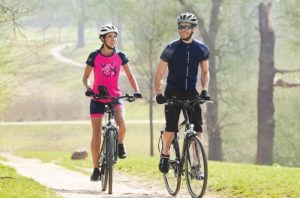
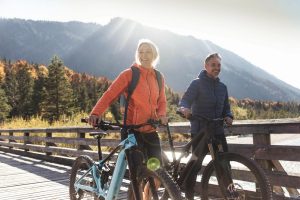
Cycling tours offer a unique way to explore remote mountain regions, providing a different experience compared to trekking adventures.
Physical Demands of Cycling Tours vs Trekking
Cycling tours in mountainous terrain require a higher level of physical fitness compared to trekking. The constant pedaling and navigating through challenging uphill and downhill routes can be demanding on the legs and cardiovascular system. Cyclists need to have strong endurance and stamina to tackle long distances on varying terrains. In contrast, trekking involves more emphasis on lower body strength and balance, as hikers navigate through rocky paths and steep inclines.
Both activities require physical fitness, but cycling tours may require a higher level of cardiovascular endurance.
Freedom of Exploration on a Bicycle vs Trekking on Foot
One of the key advantages of cycling tours in remote regions is the freedom of exploration that comes with riding a bicycle. Cyclists have the ability to cover larger distances in a shorter amount of time, allowing them to discover more remote areas and hidden gems along the way. In comparison, trekkers move at a slower pace on foot, limiting the distance they can cover in a day.
Cyclists can also easily change routes or explore side paths, providing a sense of adventure and spontaneity that may be more challenging for trekkers.
Scenic Routes and Challenges for Cyclists in Mountain Areas
Cyclists on mountain tours are treated to breathtaking scenic routes that offer panoramic views of towering peaks, lush valleys, and pristine lakes. However, these routes can also present challenges such as steep ascents, narrow paths, and unpredictable weather conditions. Cyclists must navigate through rugged terrain and adapt to changing altitudes, which can be physically demanding and mentally stimulating. In comparison, trekkers may face similar challenges but at a slower pace, allowing them to savor the scenery and immerse themselves in the natural surroundings in a different way.
Wine and Vineyard Tours
When it comes to exploring different facets of travel, wine and vineyard tours offer a stark contrast to the ruggedness of trekking in remote mountain regions. While trekking may focus on physical endurance and connecting with nature in its raw form, wine and vineyard tours emphasize luxury, relaxation, and indulging in sensory experiences.
Luxury and Relaxation in Wine and Vineyard Tours
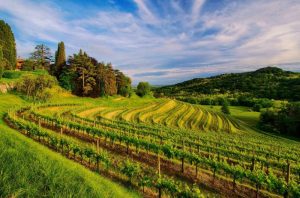
Wine and vineyard tours often take place in picturesque settings, surrounded by rolling vineyards and elegant wineries. Visitors have the opportunity to sample a variety of wines, learn about the winemaking process, and enjoy gourmet meals paired with exquisite wines. The focus is on leisurely exploration, savoring the flavors, and soaking in the tranquil ambiance of the vineyard.
Sensory Experiences of Wine Tasting
During wine tasting sessions, participants engage their senses of sight, smell, and taste to appreciate the nuances of different wines. The process involves observing the color and clarity of the wine, inhaling its aroma to detect various notes, and finally, savoring the taste to identify flavors and textures. It’s a sensory journey that allows individuals to develop a deeper appreciation for the art of winemaking.
Natural Beauty Encountered During a Trek
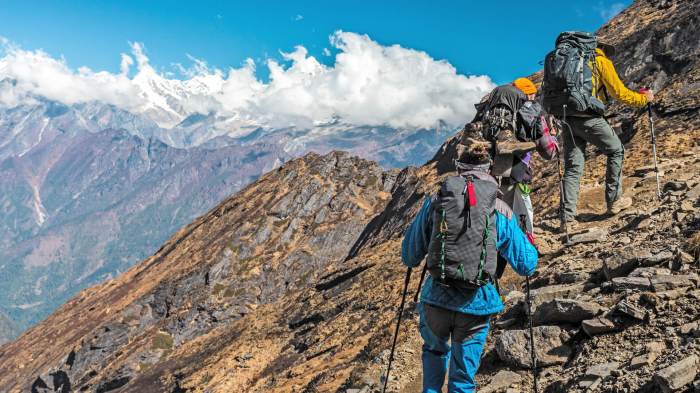
On the other hand, trekking in remote mountain regions immerses adventurers in the raw, untouched beauty of nature. The rugged terrain, vast landscapes, and challenging trails offer a completely different sensory experience. The sights, sounds, and scents of the wilderness create a profound connection with the environment and evoke a sense of awe and wonder.
Connecting with Environment and Local Culture
Both wine and vineyard tours and trekking adventures provide unique opportunities to connect with the environment and local culture. While wine tours showcase the artistry of winemaking and the traditions of viticulture, trekking allows travelers to witness the resilience of mountain communities and experience their way of life. Both activities offer insights into the rich tapestry of human interaction with the land.
Heritage Tourism
Heritage tourism focuses on visiting historical sites and immersing oneself in the cultural traditions of a particular region. It offers a unique opportunity to learn about the past and connect with the roots of a community.
Comparison with Natural Heritage in Remote Mountain Regions
When comparing heritage tourism destinations with the natural heritage found in remote mountain regions, we see a contrast between man-made historical landmarks and the untouched beauty of nature. While heritage tourism sites showcase human history and achievements, remote mountain regions display the wonders of the natural world.
- Heritage tourism destinations often include ancient ruins, historic buildings, and cultural artifacts that provide insights into the traditions and customs of past civilizations.
- In contrast, remote mountain regions offer breathtaking landscapes, diverse ecosystems, and unique flora and fauna that have evolved over thousands of years without significant human intervention.
- Trekking in heritage tourism sites allows visitors to explore the architectural wonders and archaeological treasures that hold stories of the past, giving a deeper understanding of the cultural heritage and traditions of the region.
- On the other hand, trekking in remote mountain regions provides opportunities to witness the raw beauty of nature, experience solitude, and appreciate the natural heritage that has been preserved through generations.
Preservation Efforts in Heritage Tourism Sites vs Conservation Challenges in Remote Mountain Regions
Preservation efforts in heritage tourism sites aim to protect historical buildings, artifacts, and cultural traditions for future generations to enjoy and learn from. Conservation challenges in remote mountain regions, on the other hand, involve safeguarding the delicate ecosystems, wildlife habitats, and biodiversity from human encroachment and environmental degradation.
- Heritage tourism sites often have strict conservation guidelines in place to prevent damage to historical structures and artifacts, with restoration projects undertaken to preserve the authenticity of the site.
- In remote mountain regions, conservation efforts focus on sustainable tourism practices, wildlife protection, and reforestation initiatives to maintain the natural balance and prevent habitat loss for endemic species.
- While heritage tourism sites face challenges such as overcrowding, pollution, and vandalism, remote mountain regions struggle with issues like deforestation, climate change, and illegal poaching that threaten the fragile ecosystems.
- Both heritage tourism sites and remote mountain regions require a collaborative effort from the local communities, governments, and visitors to ensure the long-term preservation of these valuable heritage and natural treasures.
City Breaks
City breaks offer a stark contrast to the tranquility of trekking in remote mountain regions. While urban environments are filled with hustle and bustle, nature allows for a peaceful escape from the noise and chaos of city life.
Mental and Physical Benefits
City breaks often involve exploring museums, dining at trendy restaurants, and shopping in bustling markets. While these activities can be stimulating, they can also lead to mental fatigue and stress. On the other hand, trekking in remote mountain regions allows for a connection with nature, providing mental clarity and relaxation. The physical benefits of trekking, such as improved cardiovascular health and strengthened muscles, offer a stark contrast to the sedentary nature of city breaks.
Cultural Differences and Experiences
City breaks expose travelers to a melting pot of cultures, cuisines, and traditions. Visiting landmarks, attending local events, and interacting with diverse populations offer unique cultural experiences. In contrast, trekking adventures immerse individuals in the natural beauty of different regions, allowing for a deep appreciation of local flora, fauna, and customs. The cultural exchange in city breaks versus trekking adventures provides contrasting yet equally enriching experiences for travelers.
Final Thoughts
As you conclude this exploration of Trekking to remote mountain regions, envision the profound connection to nature, culture, and self that awaits every adventurer daring to traverse these remote paths. Embrace the unknown, and let the mountains whisper their timeless secrets to your soul.
General Inquiries
What spiritual practices can hikers encounter during their trek?
Hikers may come across meditation spots, sacred sites, and rituals performed by local communities, enhancing their spiritual journey.
How does trekking in remote mountain regions differ from popular locations?
Trekking in remote areas offers a more secluded and authentic experience, away from the crowds and commercialization often found in popular trekking spots.
Is trekking environmentally friendly compared to private jet travel?
Yes, trekking in remote regions generally has a lower environmental impact compared to luxury private jet travel due to its minimal carbon footprint.
What insights can trekking provide into local agriculture?
Trekking allows travelers to witness farming practices, interact with rural communities, and understand the sustainable agriculture methods of the region.
How do cycling tours differ from trekking adventures in mountainous terrain?
Cycling tours offer a faster-paced exploration with the freedom of biking, while trekking provides a more intimate connection to nature and slower-paced discovery on foot.